If you're thinking about purchasing a solar or small-wind system, make sure you do your homework! There's a good amount of work that goes into making such an important investment, such as doing research on your installer, knowing about the product they're installing and, most importantly, understanding the rebates available to you as a proud producer of renewable electricity.
There are an increasing number people overselling the benefits to solar and residential wind systems, so it's extremely important that you know what you're buying! Even worse – there are scammers out there trying to take advantage of this growing market. They're looking to prey on uneducated, green-minded consumers, so don't let yourself be one of them! You can help drive these people out of the industry by doing your due diligence.
Earlier this summer, the California Solar Energy Industries Association (CALSEIA) received numerous phone calls from buyers who had very large deposits for solar systems taken from them. In two of the cases, $40,000 was taken and in the most egregious case, over $105,000 was taken! Now instead of enjoying the benefits of solar, these people are mired down in legal battles to get their money back. Don't let yourself get into a similar situation.
There are a number of things to keep in mind when buying a renewable energy system for your home or business. Here are a few:
- Make sure your installer is a licensed contractor. All installers need to be licensed by their respective state. You can simply call your State Contractor's License Board or visit their website and search for the company doing the job. They will be able to give you everything you need to know about a company.
- Know how much the contractor can legally take as a deposit. The cases mentioned above could have been avoided if the buyers knew that in California it is illegal for a contractor to take more than $1,000 for a deposit on a residential job.
- Ask if your installer is certified by the North American Board of Certified Energy Practitioners (NABCEP). You can go to their website and search for the installer's name. NABCEP certification is not legally required, but it will show that the installer has had good training.
- Compare at least two other quotes for an installation.
- Request at least two references from the installer.
- Know the various incentives that are available to you and how long it will realistically take to payback your investment. In some cases, sham solar companies are telling customers they will get a return on investment within 11 months! Unfortunately, that's not going to happen.
- And finally, as Sue Kateley, Executive Director of CALSEIA reminds us: “If something sounds too good to be true, it probably is.” Trust your instincts about a deal. If you have second thoughts, make sure you take a step back and evaluate the relationship. In the above-mentioned case of the $105,000 deposit, the buyer said that they had second thoughts about the deal, but they went ahead and signed the contract anyway.
Most of the companies doing work in this space are well-established and trustworthy. Many have a long track record that you can easily look up. But as in any growing market, there are sketchy people looking to take advantage of unsuspecting consumers. It's important that you have a good understanding of this market before you sign a contract. Yes, it will take some work. But we want you to have a positive experience with renewable energy – the sustainability of the industry depends on it!
Wednesday, August 20, 2008
Educate Yourself: Don't Get Fooled by Renewable Energy Scammers
Tuesday, August 19, 2008
family sends solar power back into the grid

I ran into an article by KTBS 3 today that described an average family in DeSoto Parish, Louisiana that purchased a solar power system three weeks ago which offsets 50% of their electric usage. The grid connected solar power system takes advantage of net metering which allows the family to "bank" renewable energy credits when their home is producing a surplus. When everyone is out of the house during business / school hours the home will be producing electricity and pushing it back into the grid.
The Niten family says that their primary motivation is to lower their carbon footprint by generating their own clean power versus traditional sources that leave us dependent on foreign entities and do harm to the environment. Natural Gas and coal are traditional forms of power generations which are not "clean" like solar power. It's being efficient, helping the environment and empowering the family to be independent from traditional electricity companies and raising rates.
The quote that got me interested in the story was when Tommy Niten said,"I possibly plan on adding to the solar system later on and upgrading it to produce more of my power."
Solar Power is scalable, which is something we here at GoGreenSolar.com often tell consumers, many people call in inquiring about solar and are determined to eliminate 100% of their usage right off the bat with solar panels, although realistically, it is way out of their budget to do so. If most consumers set small goals, to buy 25% of their electricity capacity at a time and make solar power a staged approach, all of a sudden the investment looks much realistic. This story is not bragging about some great big project, but a small one that can make a difference for a family and leads them one step closer to producing their entire electric needs and truly be energy independent.
Monday, August 18, 2008
Bob's Solar Project

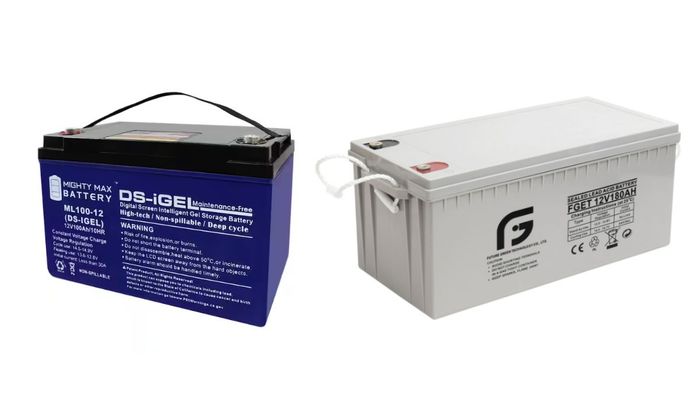
I ran into a very interesting blog called, "Bob's Solar Project" which documents the process of installing Unisolar solar roofing shingles on a Michigan home. Bob uses an off-grid system, therefore his setup includes a battery bank. This blog is great because Bob covers everything from the purchasing of the materials, installation and even shows a chart of his yearly production! Bob deserves the highest recognition for not only installing his own system, but sharing with the world how he did it! The blog has not beed updated in a couple years, but the information there about his solar power installation is very relavant today. The solar power system setup includes:
- 84 Unisolar SHR-17 shingles (1428 watts)
- Outback MX60 maximum power point tracking charge controller
- Outback FX2548 2500 watt, 48 volt inverter
- 8 Rolls-Surrette S-530 deep-cycle solar batteries (530 AH)
Sunday, August 17, 2008
Reduce the upfront cost of going solar!

One of the most common complaints about “going solar” is that the upfront cost is just too high. The primary reasons a solar power system can be a high ticket purchase for many solar power shoppers is because of the customers bad energy usage habits. The majority of solar power shoppers don't realize they are energy hogs until they start shopping for solar power which forces them to understand and analyze their electric consumption.
So how can Solar Power shoppers instantly get a deep discount on their solar power system? The answer is simple, “reduce then produce.” Focusing on energy efficiency, and implementing lifestyle and product changes can greatly reduce the upfront cost of a solar power system. It is always more cost effective to reduce your consumption through efficiency than it is to produce your own power.
Think of it this way, the more you can save through energy efficiency the less solar panels you need to cover your electric usage, its that simple, but most solar power consumers get frustrated seeing high upfront costs of going solar and think there are no alternatives to bring the cost down.
How do you reduce your energy consumption? A good start (and cheapest) is to change all your light bulbs to CFLs or LEDs, insulation can help reduce your energy by keeping the house cool during summer and warm in the winter, thus significantly reducing your yearly energy usage.
Get rid of old appliances which hog and waste energy. Unplug unused items (they draw energy even if they are plugged in, but not in use), set your computers to automatically hibernate (power saving mode) when they are idle for more than 5 minutes. Purchase energy star appliances and most importantly turn off the lights when you leave a room.
Changing the way you consume energy can have a significant impact on the overall price of a solar energy system, practicing reducing energy consumption can shave off thousands, if not tens of thousands of dollars off the final cost of a system.
Energy Efficiency and Solar Power fit very well with each other, so when considering solar power, think about how easy ways you can reduce your consumption first, you'll be saving tons of cash.
Saturday, August 16, 2008
Energy Saving Tips from Southern California Ediosn

If your considering solar or wind power you better be thinking about energy efficiency. Most energy hogs that call in to inquire about a system that can eliminate their entire bill often end the decision making process for renewable energy with their tails between their legs because of the high upfront cost of going producing their own energy. When consumers have to produce their own energy, its expensive to be inefficient, although consumers are spoon fed electricity from the utility company most do not even think about energy efficiency, typically people just pay the bill and think they have no control over the final value each month, this is a common misconception.
Southern California Edison (SCE) has released a new webpage to provide consumers tips on how they can save energy. This is especially good information for people looking to reduce the upfront cost of going solar, by implementing the tips on the utility's website a solar power shopper could shave thousands of dollars from the final cost of a solar power system.
Friday, August 15, 2008
Off Grid Inverters - Modified Wave vs. Pure Sine Wave

Designing an off-grid solar power or wind turbine systems can be confusing, because of figuring out the sizing requirements of the system by conducting a load calculation off all the appliances that reside within a building. Also you have to understand the difference between Modified Wave and Pure Sine Wave inverter to figure out what type of inverter is right for your renewable energy power generation project.
Modified Sine Wave is a rough, noisy electrical signal that does not work with all appliances, although Modified Sine Wave inverters are much more affordable then their Pure Sine Wave counterparts. Have you ever heard a florescent light bulb make that annoying buzzing sound? Well that is the type of feedback you will get when running lights, computers, tvs and most other electronics on a Modified Sine Wave signal. Most electrical equipment will work but will no perform as well as pure sine wave, appliances such as microwaves will not work, laptops may power on be crash often due to the dirty signal
Pure Sine Wave is clean electricity, similar to the electricity we get from our utility company. Compatibility is the major advantage of pure sine wave because every appliance and electrical equipment is made for Pure Sine Wave signals. With this type of inverter, you will not have to guess if what you are plugging into your AC outlet will work with your solar power or wind turbine system. The advantages of clean electricity also comes with a higher price tag.
Thursday, August 14, 2008
EnergyRush.TV - Showcasing Renewable Energy Videos
Today, I spoke with an interesting individual named Paul Steinbroner founder of Energy Rush TV. Paul has been film development for many years and is focusing on getting the word out about renewable energy through video content. The Energy Rush TV team covers the future of renewable energy today. On their website you can see interesting videos of large scale solar power installations, interviews with renewable energy leaders and coverage of trade shows all through videos that are not only appealing to consumers who are shopping for solar but educational as well.
We know buying solar panels or wind power systems can be confusing and a difficult purchase, video can enhance the customers understanding of how the systems work and what to expect thus enhancing the overall customer experience of going solar. The videos found on energy rush TV are not full of technical jargon but highlight the human passion of one of the biggest revolutions of our lifetimes.
Check it out! Do you find any of their videos informative? Let me what you think!